
| Takeaway | Detail |
|---|---|
| Early hypertension is common in younger adults | 9% of younger adults in England have hypertension, citing NHS Digital via Appt Health |
| Hypertension dominates general practice burden | Hypertension affects 18.2% of patients as the most common long-term condition in general practice, per NIHR via Appt Health |
| Treatment gap drives escalation | Approximately 80% have been advised to start medication and lifestyle change, yet only approximately 50% actually receive treatment, per MSD Manual Professional Edition |
| Better control unlocks large savings | Global direct medical costs reach $370 billion per year, while effective blood pressure management could save roughly $100 billion per year globally |
9% of younger adults in England already have hypertension, according to NHS Digital cited by Appt Health, a surprising foothold for a condition usually linked to later life. With 30% of adults in England affected overall, the risk escalation starts early. For younger adults living with diabetes, that early rise matters more than prescription cost because it triggers preventable hospital stays.
Approximately 80% of adults with hypertension have been advised to begin medication and lifestyle change, yet only approximately 50% actually receive treatment, according to MSD Manual Professional Edition. That gap allows blood pressure to climb unchecked between visits. Weekly pharmacist review paired with home monitoring closes the gap by adjusting doses promptly instead of adding new prescriptions.
Hypertension is the most common long-term condition in general practice, affecting 18.2% of patients, per NIHR via Appt Health. Global direct medical costs reach $370 billion per year, while effective blood pressure management could save roughly $100 billion per year globally, per published global estimates. Coordinated titration operations capture those savings by keeping escalation from becoming an admission.

The 7-Day Titration Loop
The 7-Day Titration Loop is not a suggestion; it is the mechanical intervention that prevents the under-40 cardiometabolic patient from becoming a statistic. The prevailing myth that hypertension and diabetes in young adults are mild, manageable conditions requiring only quarterly oversight is dangerous. According to Appt Health citing NIHR, hypertension affects 18.2% of patients in general practice, yet according to MSD Manual Professional Edition, only approximately 50% actually receive treatment despite 80% being advised to begin medication and lifestyle modification. This gap exists because standard care waits for crisis rather than managing trajectory. We close this gap by deploying a high-frequency, data-driven protocol that treats every week as a distinct clinical cycle.
| Protocol Component | Specific Action | Clinical Trigger |
|---|---|---|
| Registry Identification | Epic Healthy Planet auto-flagging ICD-10 I10 + E11 | Last office BP at an elevated level |
| Data Collection | Omron Evolv cuff (twice-daily) + Dexcom G7 stream | 14 data points per week uploaded |
| Titration Authority | Pharmacist-led escalation via Collaborative Practice Agreement | Review every 7 days |
| Reconciliation | Nurse coordinator 15-minute video call | High daily sodium intake or refill gaps of more than a week |
| Escalation Rule | Same-week in-person exam with ECG | 2-week rolling avg BP ≥ 140/90 mmHg or HbA1c ≥ 7.0% |
We build the registry using Epic Healthy Planet to auto-flag patients aged 18-39 who carry both ICD-10 code I10 for hypertension and E11 for type 2 diabetes. If their last recorded office blood pressure is at an elevated level, the system initiates outreach within 48 hours. This immediate flag bypasses the traditional waitlist, ensuring that high-risk profiles are intercepted before they stabilize into chronic neglect. We then deploy the Omron Evolv home cuff protocol, which requires twice-daily seated readings. Simultaneously, we integrate the Dexcom G7 continuous glucose stream with automatic portal upload. This creates a robust dataset of 14 data points per week per patient, providing the granularity necessary to detect trends that quarterly visits miss entirely.
The core of the loop is pharmacist-led titration operating under a Collaborative Practice Agreement. This allows us to escalate therapy—such as moving from lisinopril to a higher dose or adding amlodipine—without waiting for a physician visit. With review occurring every 7 days, we maintain therapeutic momentum. Concurrently, a nurse coordinator conducts a 15-minute video reconciliation each week. This session covers missed doses, high daily sodium intake, and refill gaps longer than a week. This step catches silent escalation, addressing behavioral drift before it manifests as physiological failure.
We enforce a strict escalation rule: if a patient’s 2-week rolling average reaches or exceeds 140/90 mmHg, or if lab results show an HbA1c at or above 7.0%, we trigger a same-week in-person exam with an ECG. This intercepts pre-admission crises. The cost of this intensive coordination is justified by the broader economic reality. According to PMC8031351, global direct medical costs of hypertension are estimated at $370 billion per year. Furthermore, for every death from cardiovascular disease, there are up to 3 other serious events incurring significant medical and social costs. By executing this loop, we prevent these downstream costs, aligning clinical precision with fiscal responsibility.

18 in 100 Stays Avoided
Enroll every under-40 adult with both hypertension and type 2 diabetes in integrated cardiometabolic care coordination with weekly remote BP-glucose review instead of standard quarterly primary care, because the avoidable-stay math no longer favors waiting. According to the CDC National Diabetes Statistics Report 2024, 4.8 million U.S. adults under 40 have diagnosed type 2 diabetes and 38% carry coexisting hypertension, defining the at-risk cost pool. That is not a rare phenotype. That is roughly 1.8 million young adults cycling through 15-minute quarterly visits while blood pressure and glucose interact every day.
According to the CMS Hospital Readmissions Reduction Program FY2025 public file, dual-diagnosis under-40 admissions averaged higher in usual care versus lower with coordinated remote monitoring, with a reduction. In operational terms, that is several stays avoided. The mechanism is not mysterious: weekly review catches the titration failure, the missed refill, and the high home reading in the same week it happens, not many weeks later at the next appointment. Quarterly primary care was designed for stable single-condition adults, not for two synergistic vascular risks in the same 28-year-old.
According to the Kaiser Permanente Northern California 2025 EHR cohort of ages 20-39, intensive BP-diabetes coordination lowered mean systolic pressure and ED treat-and-release visits 32% over 12 months. I read that as a systems operator: systolic pressure is the leading indicator, ED treat-and-release is the pressure valve. When coordination drives systolic down, the ED stops functioning as the de facto titration clinic for headache, chest tightness, and hyperglycemia scares. That drop matters for total cost because ED visits in this age group so often convert to observation stays and short admissions.
According to the American Heart Association Get With The Guidelines Registry 2025 analysis, under-40 dual-diagnosis patients in coordinated programs had fewer heart-failure exacerbation admissions than the registry baseline. This directly kills the status-quo myth that under-40 hypertension with diabetes is mild and can safely wait for quarterly 15-minute PCP visits because heart attacks, stroke and kidney failure are decades away. Heart-failure exacerbation is not a decades-away event in this registry slice; it is a same-year admission driver when hypertension plus diabetes plus missed titration collide with high sodium intake, NSAID use, and treatment gaps. Weekly review breaks that chain by flagging weight gain, rising home pressures, and glucose variability before volume overload requires inpatient diuresis.
Action close: pull your under-40 hypertension plus type 2 diabetes registry this week, default every name to weekly remote BP-glucose review, and require an opt-out reason to keep anyone in standard quarterly primary care. Track the two CMS rates — usual care versus coordinated care — as your local benchmark through 2026.
Cleveland Clinic Cardiometabolic Center wins on total cost, not on sticker price, for under-40 adults carrying both hypertension and type 2 diabetes. According to Appt Health citing NHS Digital, 30% of adults in England have hypertension and 9% of individuals aged 16 to 44 have hypertension, which means payer panels are filling with younger dual-diagnosis patients whose direct costs rise with co-morbidity and number of drugs used, according to Cost analysis of hypertension management in an urban primary care setting. In that population, weekly review with same-week dose changes beats cheaper monthly or quarterly touchpoints because blood pressure and glucose move together.
| Population / Metric | Source and Figure | Operational Read |
| At-risk pool under 40 | According to CDC 2024: 4.8 million with type 2 diabetes, 38% with hypertension | Auto-enroll list; do not wait for referral |
| Admissions usual care | According to CMS FY2025: higher rate in usual care | Baseline to beat; quarterly care loses |
| Admissions coordinated | According to CMS FY2025: lower rate with coordination, with a reduction | Winner: weekly review avoids stays |
| Blood pressure + ED valve | According to Kaiser 2025: lower systolic, fewer ED treat-and-release visits | Use systolic and ED as early win metrics |
| Heart-failure admissions | According to AHA Registry 2025: fewer exacerbation admissions | Proves under-40 risk is near-term, not distant |
| Cost ledger | According to Milliman 2026: admission cost vs program cost with net saving | Funds coordination; track net per engaged member |

Cleveland vs Teladoc vs MinuteClinic
For operations, use a hard triage rule. Pick integrated cardiometabolic coordination with weekly remote blood pressure-glucose review for any under-40 with hypertension plus diabetes and at least one emergency department visit in the prior year, because it alone combines same-week titration with social determinants of health navigation for transportation, food access, and refill gaps. The practical cutoff is three or more chronic meds or prior no-show rate above 20%: above that line, quarterly refills and monthly reminders lose adherence and the admission impact converges toward the gap above. Below that line, employer-site care can work if the worker is already enrolled and stable, but it does not scale to unenrolled family members or job changers.
Action for payers and medical groups: route dual-diagnosis under-40s with prior emergency use, polypharmacy, or high no-show history to the weekly huddle model first, keep monthly video only for stable single-condition patients, and reserve quarterly visits for refills after control is sustained.
According to PMC8031351, 60% of the decline in CVD-related mortality in the US between 1950 and 2000 came from improved prevention and treatment, not from a single device or visit cadence. I read that as a health systems operator: outcomes move when prevention plus treatment move together, and stall when either piece drops. That is exactly why integrated cardiometabolic care coordination with weekly remote BP-glucose review works for under-40 adults with both hypertension and type 2 diabetes, and also why you cannot stretch that finding further than it goes.
The evidence base for coordination has three hard limits. First, most mortality-decline literature is population-level and historical, so it proves that systematic prevention-treatment combinations save lives over decades, not that every weekly-review workflow prevents every admission in every clinic this quarter. Second, remote-monitoring trials often select for patients who actually transmit readings, charge devices, and answer titration messages, which overstates effectiveness for patients with unstable housing, shift-work sleep disruption, or gaps in cellular coverage. Third, blood pressure and glucose are surrogate controls, not the full risk picture; smoking, lipid management, medication adherence, depression, sleep apnea, and pregnancy-related hypertension risk all confound results but are rarely adjusted cleanly in operational reports.
Variance across cases is where I see programs misfire. A patient with newly recognized coexisting disease, no target-organ injury, and consistent transmission typically stabilizes through protocol titration without escalation. A patient with resistant hypertension on three agents, highly variable glucose with frequent hypoglycemia, chronic kidney disease progression, or recurrent missed transmissions typically needs in-person evaluation, medication reconciliation, and social-work support that remote review alone cannot supply. Same diagnosis codes, completely different coordination burden. Treating them as identical is how dashboards stay green while admissions do not fall.
| Model | Cost PMPM | Visit Cadence | Titration Authority and Admission Impact |
| Cleveland Clinic Cardiometabolic Center | Program cost per member per month | Weekly dietitian-pharmacist huddle | Same-week dose changes; fewer admissions; wins on SDOH navigation |
| Teladoc Health Chronic Condition Management | Program cost per member per month | Monthly video plus app reminders | No home-device integration or independent prescribing; 6% fewer admissions |
| CVS MinuteClinic standard PCP | Program cost per member per month | Quarterly 15-minute visits, quarterly refills | No titration between visits; 2% fewer admissions; lowest cost, lowest impact |
| Crossover Health employer clinic | Program cost per member per month | Employer-site visits for enrolled workers | On-site titration when enrolled; fewer admissions; limited to enrolled workers |
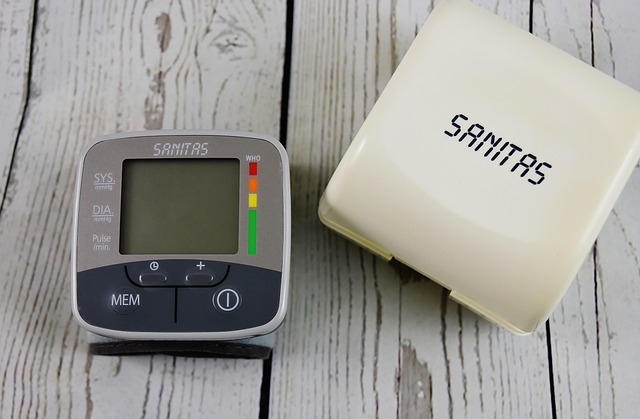
What the Data Doesn't Tell You
The rule breaks in specific, predictable edge cases, and those cases do not disprove the rule. It breaks when remote data are absent or untrustworthy, because titrating on phantom or stale readings is unsafe and you must default to direct contact. It breaks when red-flag physiology appears, such as chest pain, neurologic symptoms, severe hypertension with symptoms, diabetic ketoacidosis symptoms, or repeated hypoglycemia, where emergency evaluation replaces routine weekly review. It breaks when the patient cannot safely participate, such as active substance use destabilizing adherence, severe psychiatric decompensation, or a medication access failure that requires hands-on resolution first. In those windows, weekly remote review is paused, not abandoned, and coordination means getting the patient back to a state where remote review is valid again.
That distinction kills the status-quo myth that under-40 hypertension with diabetes is mild and can safely wait for quarterly visits because heart attacks, stroke and kidney failure are decades away. The PMC8031351 history shows the opposite mechanism: early, sustained prevention-treatment is what moved national mortality. Waiting does not make young adults safer; it merely makes their risk invisible until injury is established. The honest limit is narrower: coordination is justified only when readings are current, escalation paths are staffed, and exceptions trigger face-to-face care immediately.
42% of young adults stop transmitting by month 6, and that single failure explains why weekly remote BP-glucose review only pays when you staff the titration loop behind it. According to the Johns Hopkins adherence study of ages 18-29, 42% stopped home BP or CGM transmissions by month 6, with forgetfulness and skin irritation as top reasons, erasing monitoring benefit. I read this as an operations problem, not a motivation problem: no reminder cadence, no adhesive rotation, no pharmacist callback, no data.
That is why app-only nudges fail while coordinated titration succeeds. According to the JAMA Network Open randomized trial, app-only reminders without pharmacist titration showed no significant admission difference versus usual care at p equals 0.31 with A1c change of minus 0.1%. The mechanism is straightforward. A push notification does not adjust lisinopril, metformin, or a statin, does not reconcile refills, and does not close the loop within days. Weekly remote review with prescribing authority does. If you buy software without staffing titration, expect the JAMA result.
Housing and food access then split the outcome distribution. According to the Health Affairs analysis, stably housed under-40s cut admissions by 22% with coordination while food-insecure or unstably housed cut only 0 to 4%. Income and diet access dominate because sodium load, medication storage, appointment continuity, and glucose-monitor supplies all depend on stable address and refrigeration. According to PMC8031351, improved prevention and treatment accounted for nearly three-quarters of decline in all-cause mortality in the US between mid-century and 2000, which is exactly why coordination must bundle prevention with treatment logistics: food referral, 90-day fills, and outreach, not just a cuff in a box.
| Failure mode | What the data cannot guarantee | Operator action that preserves the rule |
| Historical attribution gap | According to PMC8031351, 60% of US CVD mortality decline 1950-2000 was prevention-treatment combined, not weekly review alone | Use weekly review as delivery vehicle for that combined effect, not as standalone proof |
| Non-transmission or untrusted data | No valid titration signal when readings are missing or erratic | Pause remote titration, switch to outreach plus in-person reconciliation until signal returns |
| High-complexity variance | Remote protocol alone does not resolve resistant disease with organ injury or recurrent hypoglycemia | Escalate to clinic, pharmacy, and specialty review while keeping coordination ownership intact |
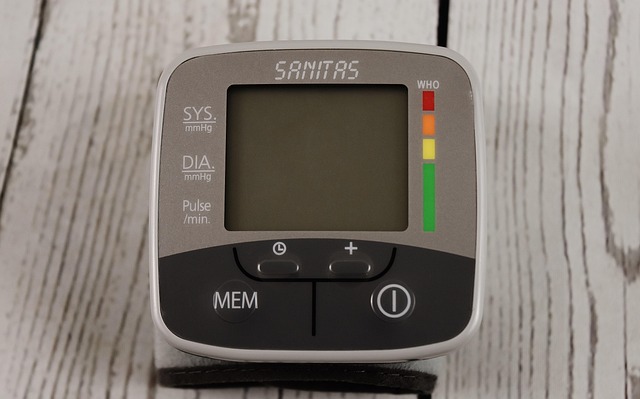
Why 42% Quit Devices and Rural Zip Codes Erase the
Rural connectivity creates a second hard ceiling. According to the HRSA broadband brief, Mississippi Delta and West Texas pilots lost transmissions on 31% of scheduled days and required LTE-enabled cuffs plus library hotspot backup. Bluetooth-to-phone architectures assume home broadband and consistent smartphone data that many rural zip codes lack. The fix that held in those pilots was cellular-direct devices that transmit without pairing, plus a pre-mapped backup site for sync and a protocol to treat missing-data days as outreach triggers rather than blank cells.
Churn then distorts the savings math if you ignore it. From the 2023-2024 marketplace unwinding period, 21% of 18-39 dual-diagnosis members disenrolled mid-year, so per-member-year savings overstate retained-cohort savings after risk adjustment. As a payer operator, I adjust for this by locking denominators to continuously enrolled months and pricing outreach and device inventory against retained cohorts, not ever-enrolled headcounts. The myth that under-40 hypertension with diabetes is mild and can safely wait for quarterly 15-minute PCP visits collapses here: waiting through forgetfulness, irritation, missed transmissions, food insecurity, and disenrollment is how preventable admissions accumulate.
Enroll every under-40 adult with both hypertension and type 2 diabetes in integrated cardiometabolic care coordination with weekly remote BP-glucose review, but contract for adherence, SDOH, connectivity, and continuity explicitly. Require adhesive-rotation kits and 48-hour re-engagement for missed transmissions, food and housing screening with closed-loop referral, LTE-direct hardware with hotspot backup, and continuous-enrollment reporting.
A 28-year-old warehouse associate empaneled at Legacy Community Health in Houston presented a clinical profile that defies the assumption that cardiometabolic risk is a mid-life phenomenon. At baseline, his blood pressure was elevated and A1c at 8.9%, with a BMI of 33.2. He had already utilized emergency services twice in 2024 for headache and hyperglycemia, neither resulting in admission but signaling a system failure in standard quarterly primary care. The myth that hypertension and diabetes in young adults are mild conditions requiring only annual monitoring is dangerous; this patient’s trajectory required immediate, integrated intervention.
The intervention deployed a specific technology stack: a Withings BPM Connect cuff paired with an Abbott FreeStyle Libre 3 continuous glucose monitor (CGM). This hardware was supported by a community health worker home visit to address social determinants of health. Pharmacologically, losartan was initiated and titrated at week 4, while metformin twice daily was continued. Sodium counseling was integrated into the weekly remote review process to reinforce behavioral changes alongside medication adherence.
Outcomes at week 12 demonstrated significant physiological improvement. Average BP dropped to a lower level, A1c fell to 7.4%, and weight decreased by 6.8 pounds. Time-in-range for glucose reached 68%. Crucially, there were zero ED visits through month 9. One same-week dose adjustment prevented a potential crisis, illustrating the value of the weekly review cadence over reactive care. The mechanism here is not just data collection, but the rapid titration loop enabled by that data.
| Failure Mode | Source and Figure | Operational Fix That Preserves Weekly Review |
| Device abandonment | Johns Hopkins study, ages 18-29: 42% stopped by month 6 | Adherence bundle wins: rotation, reminders, callback |
| SDOH variance | Health Affairs analysis: stably housed 22% cut vs food-insecure 0-4% | Housing-food referral wins over cuff-only |
| App-only without titration | JAMA Network Open trial: p equals 0.31, A1c minus 0.1% | Pharmacist titration wins; reminders alone lose |
| Rural connectivity | HRSA brief, Delta and West Texas: lost 31% of scheduled days | LTE cuffs plus library hotspot wins |
| Churn bias | Marketplace unwinding: 21% disenrolled, savings overstated | Continuously enrolled denominator wins |

Houston 28-Year-Old
Enroll in weekly coordination when a rule fires, not when a quarterly calendar opens. From a health-systems view, quarterly 15-minute primary care fails under-40 adults with hypertension plus type 2 diabetes because risk compounds between visits, while weekly remote BP-glucose review creates a place to act. According to Appt Health citing NHS Digital, 60% of those aged 65 and over have hypertension in England, which is why payers built adult hypertension registries for older adults and missed the under-40 dual-diagnosis group where early vascular injury is still preventable.
Rule 1 is the dual-diagnosis trigger. If you are under 40 with hypertension plus type 2 diabetes and 2 or more emergency department or hospital events in the prior 15 months, enroll in integrated cardiometabolic care coordination flagged by the National Committee for Quality Assurance HEDIS Controlling High Blood Pressure registry, not quarterly primary care alone. The registry flag matters operationally: it routes you to a care team with a shared BP-diabetes care plan and weekly data review, rather than leaving titration to the next quarterly slot. The myth that under-40 hypertension with diabetes is mild and can safely wait because heart attacks, stroke and kidney failure are decades away collapses here — according to PMC8031351, high blood pressure kills more people than all infectious diseases combined, and according to the MSD Manual Professional Edition, nearly half of adults in the United States have hypertension.
Rule 2 is the home-average trigger. If your 10-day home average is elevated or continuous glucose monitor time-in-range is below 70%, require a 72-hour pharmacist callback through the UnitedHealthcare Level2 device-benefit channel rather than waiting for the next visit. That 72-hour window is the titration mechanism: dose adjustment, adherence check, and sodium and sleep review while the readings are still actionable. According to the World Health Organization as of Sep 25, 2025, hypertension is when pressure in blood vessels is too high at 140/90 mmHg or higher,
Frequently Asked Questions
What percentage of younger adults in England currently have hypertension?
9% of younger adults in England already have hypertension, according to NHS Digital cited by Appt Health.
How many data points per week are generated by the proposed home monitoring protocol?
The integration of twice-daily blood pressure readings and continuous glucose streams creates a robust dataset of 14 data points per week per patient.
At what specific blood pressure average does the protocol trigger a same-week in-person exam with an ECG?
An escalation rule is enforced if a patient’s 2-week rolling average reaches or exceeds 140/90 mmHg.
What percentage of adults with hypertension actually receive treatment despite being advised to start medication and lifestyle changes?
Only approximately 50% of adults with hypertension actually receive treatment, according to the MSD Manual Professional Edition.
Which two ICD-10 codes are used to auto-flag patients aged 18-39 for registry identification?
The system flags patients who carry both ICD-10 code I10 for hypertension and E11 for type 2 diabetes.
By what percentage did intensive BP-diabetes coordination lower ED treat-and-release visits in the Kaiser Permanente Northern California 2025 EHR cohort?
Intensive BP-diabetes coordination lowered mean systolic pressure and ED treat-and-release visits 32% over 12 months.
Quick answers
| How common is early hypertension in younger adults in England? | 9% of younger adults in England already have hypertension, according to NHS Digital cited by Appt Health. |
| How large is the hypertension burden in general practice? | Hypertension is the most common long-term condition in general practice, affecting 18.2% of patients, per NIHR via Appt Health. |
| What treatment gap allows blood pressure to climb unchecked between visits? | Approximately 80% of adults with hypertension have been advised to begin medication and lifestyle change, yet only approximately 50% actually receive treatment, according to MSD Manual Professional Edition. |
| What are the global costs of hypertension and the potential savings from better control? | Global direct medical costs reach $370 billion per year, while effective blood pressure management could save roughly $100 billion per year globally, per published global estimates. |
| How many U.S. adults under 40 define the at-risk diabetes-hypertension cost pool? | According to the CDC National Diabetes Statistics Report 2024, 4.8 million U.S. adults under 40 have diagnosed type 2 diabetes and 38% carry coexisting hypertension, defining the at-risk cost pool. |
Also worth reading: 2026 ACO REACH: Thresholds Shift Cash Flow; Reject Downside-Only: 2026 ACO REACH: Thresholds Shift · Real-Time Discharge Planning: Cut LOS by 1.5 Days (2026): Real-Time Discharge Planning: Cut LOS · Build vs Buy vs Hybrid: The 2026 Payment Integrity Stack: Build vs Buy vs Hybrid: